In a world increasingly shaped by technology, introducing children to robotics at an early age is more important than ever. Robotics encourages critical thinking, problem-solving, and creativity—skills that are essential for thriving in the 21st century. However, teaching robotics concepts to young kids can be challenging without the right tools.
This is where “Robots Dot to Dot by Nattapong” steps in. It uses simple yet engaging dot-to-dot puzzles to introduce children to robotics in a way that’s both fun and educational. In this article, we’ll explore how this activity sparks a genuine interest in robotics among kids, laying the groundwork for their future STEM (Science, Technology, Engineering, and Mathematics) education.
The Importance of Introducing Robotics Early
1. Why Robotics?
Robotics is much more than just building machines. It encompasses creativity, engineering, logic, and technology. Exposing children to these concepts early can:
- Build Problem-Solving Skills: Robotics teaches kids how to break down complex problems into manageable tasks.
- Foster Creativity: Designing and building robots allows children to explore imaginative ideas.
- Prepare for Future Careers: With robotics becoming integral to industries, an early interest can guide kids toward future STEM careers.
What is Robots Dot to Dot by Nattapong?
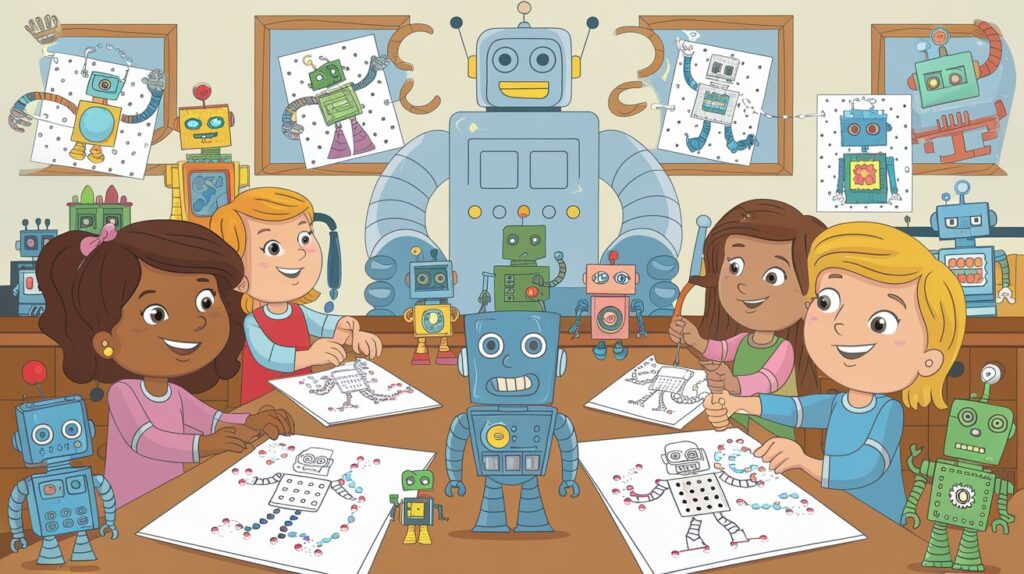
“Robots Dot to Dot by Nattapong” is a creative activity that combines classic dot-to-dot puzzles with robotics-themed illustrations. Kids connect numbered dots in sequence to reveal a robot design, which they can then color and personalize.
Why It Works for Kids
- Simplifies Robotics Concepts: The robot designs are visually engaging and introduce basic robotics structures.
- Encourages Exploration: Completing each robot fosters curiosity about how robots function and their role in real life.
- Accessible for All Ages: With varying levels of difficulty, the puzzles are suitable for children aged 4 to 10.
How Robots Dot to Dot Sparks Interest in Robotics
1. Visual and Hands-On Learning
Children are naturally drawn to visual activities, and “Robots Dot to Dot” provides a hands-on experience that keeps them engaged.
- Connecting Dots: Helps kids focus on logical sequences, a fundamental aspect of robotics programming.
- Creating Robots: Encourages them to visualize robots as something they can build or design in the future.
2. Introducing Real-Life Robotics Concepts
Each robot design in “Robots Dot to Dot” reflects elements of actual robotics, such as:
- Arms and joints: Representing robotic arms used in manufacturing.
- Gears and circuits: Introducing basic mechanical and electronic components.
By exposing kids to these concepts, the activity bridges the gap between play and real-world robotics applications.
3. Storytelling and Imagination
Once kids complete a robot, they’re encouraged to give it a name, assign it tasks, or create a story around its purpose. For example:
- “This robot can clean my room!”
- “My robot will help astronauts on Mars.”
This storytelling aspect not only enhances creativity but also allows kids to imagine themselves as engineers or inventors.
The Educational Benefits of Robots Dot to Dot
1. Encourages Logical Thinking
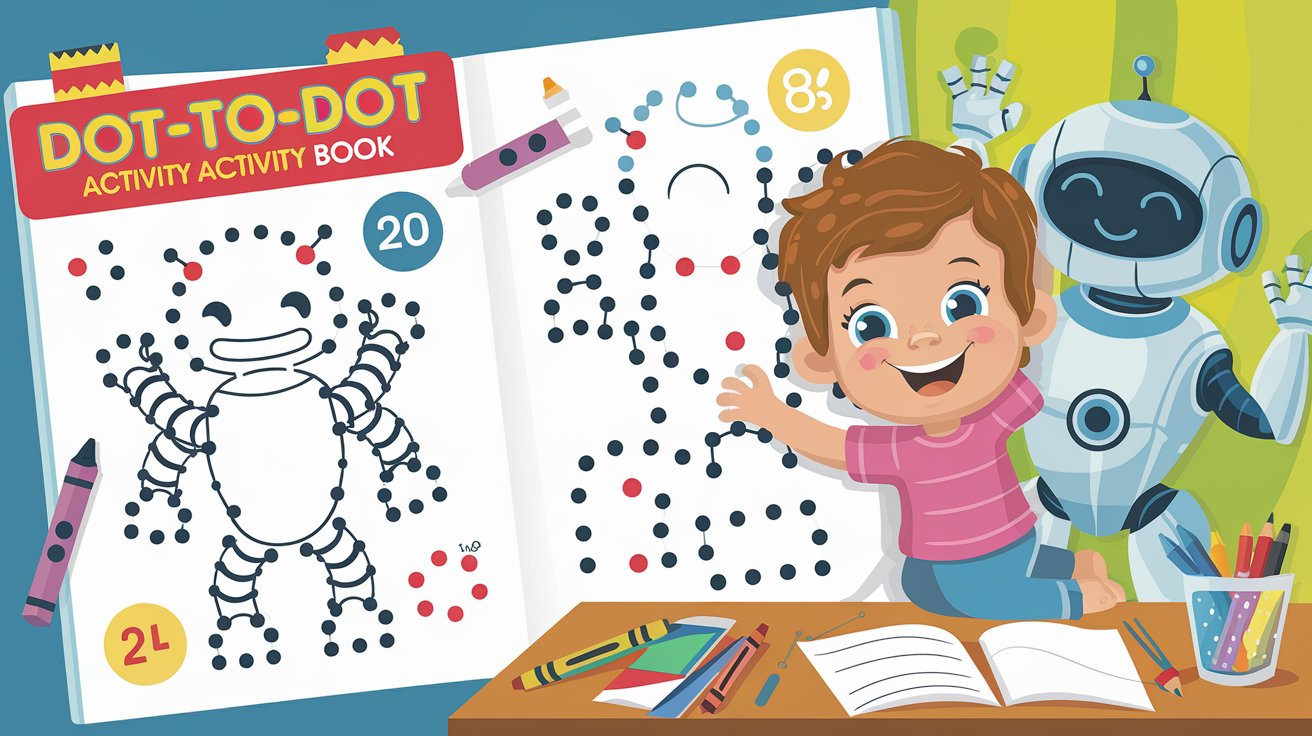
Connecting dots in the correct order is like coding—it requires logical steps and attention to detail.
2. Develops Fine Motor Skills
Precision in drawing lines between dots strengthens hand-eye coordination and prepares kids for more complex tasks like assembling robotics kits.
3. Supports STEM Learning
By focusing on robots, the activity introduces kids to STEM concepts early, making them more comfortable with subjects like engineering and technology.
How Parents and Educators Can Use Robots Dot to Dot
For Parents
- Introduce STEM Concepts at Home: Use “Robots Dot to Dot” as a fun learning tool to explain basic robotics concepts.
- Encourage Creative Play: Once the robot is complete, let your child color it and imagine its purpose or function.
For Educators
- Classroom Activity: Incorporate it into lessons to make STEM topics more engaging.
- Group Collaboration: Have students work together to complete puzzles, fostering teamwork and collaboration.
Real-World Examples of How It Inspires Kids
Case 1: Jane’s Interest in Coding
Jane, a 7-year-old, loved completing “Robots Dot to Dot” puzzles. Her parents noticed her growing curiosity about how robots work. They introduced her to basic coding apps, which she quickly took to, thanks to her early exposure to robotics concepts.
Case 2: A School STEM Fair Project
A teacher used “Robots Dot to Dot by Nattapong” as part of a STEM fair project. Students completed puzzles and then created stories about how their robots could help in real-life scenarios. This exercise sparked discussions about engineering and environmental robotics.
Robots Dot to Dot vs. Other Robotics Tools for Kids
| Feature | Robots Dot to Dot by Nattapong | Robotics Kits for Kids |
|---|---|---|
| Cost | Affordable | Expensive |
| Skill Level | Suitable for beginners | Requires advanced skills |
| Hands-On Engagement | High | Moderate |
| STEM Concept Introduction | Early-stage | Advanced |
“Robots Dot to Dot” provides an excellent entry point for younger children before they transition to more complex robotics kits.
Sparking Long-Term Interest in Robotics
“Robots Dot to Dot by Nattapong” plants the seeds for a deeper interest in robotics. Over time, kids who enjoy this activity are more likely to:
- Explore robotics toys or kits.
- Take an interest in coding and programming.
- Participate in STEM clubs or competitions.
By making robotics accessible and fun, this activity helps kids see themselves as future innovators and engineers.
Conclusion
“Robots Dot to Dot by Nattapong” is much more than a simple puzzle—it’s a gateway to the exciting world of robotics. By blending creativity, logic, and STEM concepts, it encourages kids to think like young engineers and sparks curiosity about technology.
Parents and educators looking to introduce children to STEM education will find this activity invaluable. It’s engaging, educational, and most importantly, it’s a lot of fun! With “Robots Dot to Dot by Nattapong,” the next generation of roboticists might just be connecting dots today.
FAQs
How does “Robots Dot to Dot by Nattapong” introduce robotics concepts?
By using robot-themed puzzles that mimic real-world robotics elements like gears, joints, and circuits.
Is it suitable for all age groups?
Yes, it’s designed for kids aged 4–10, with puzzles of varying difficulty levels.
How can parents encourage interest in robotics using this activity?
Parents can use it to teach sequencing, create stories about the robots, or explore robotics kits as a follow-up activity.
Can educators use this in STEM lessons?
Absolutely! It’s a great classroom tool for introducing STEM concepts in a fun and interactive way.
Does it prepare kids for more advanced robotics tools?
Yes, it builds foundational skills like logical thinking and fine motor coordination, which are essential for robotics.