When Do New iPhones Come Out? Apple’s Release Calendar and the Best Time to Buy
Apple's iPhone schedule is remarkably predictable, though it's changing. Here's how the September launch works, what's different in 2026, and how to time your purchase.
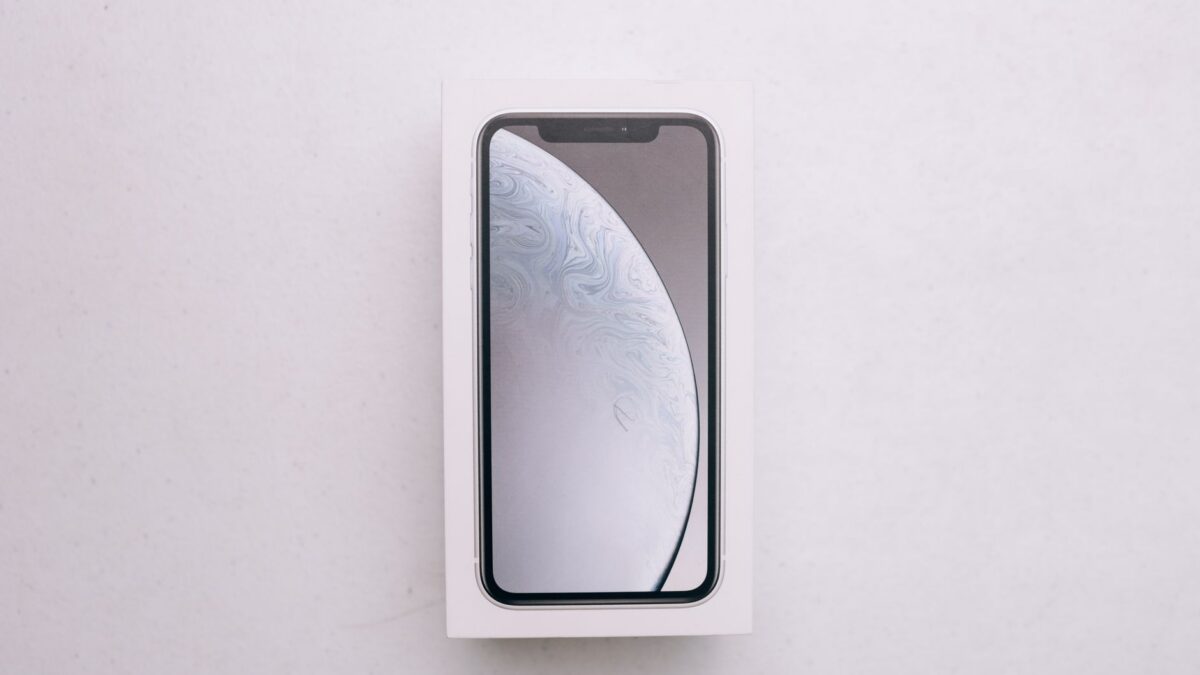
Apple has announced its main new iPhones in September almost every year since 2012. The pattern: an event in the first or second week of September, preorders starting that Friday, and phones in stores about one week later. Lower-priced “e” models have recently launched in late winter or early spring instead, and in 2026 Apple released only its Pro models and a new foldable in the fall.
Apple’s typical iPhone launch timeline
- Invitations (late August): Apple announces the event date about one to two weeks ahead.
- Event (early to mid-September): usually a Monday, Tuesday or Wednesday, often the week after Labor Day. Apple reveals the phones, prices and dates.
- Preorders (that Friday): orders open on Apple’s website and app, and with carriers.
- Release (the following Friday): first deliveries and in-store availability.
- New iOS version (the same week as the event or soon after): the free update reaches existing iPhones before the new models ship.
Recent iPhone launch dates
| Year | Main models | Event | Preorders | In stores |
|---|---|---|---|---|
| 2023 | iPhone 15 family | Sept 12 | Sept 15 | Sept 22 |
| 2024 | iPhone 16 family | Sept 9 | Sept 13 | Sept 20 |
| 2025 | iPhone 17, iPhone Air, 17 Pro and Pro Max | Sept 9 | Sept 12 | Sept 19 |
| 2026 | iPhone 18 Pro and Pro Max; iPhone Duo (foldable) | Sept 9 | That week | Sept 18 (Pro models); the Duo followed later in the fall |
Exact dates for future years are only confirmed when Apple sends invitations, so treat any earlier “leaked date” as a guess.
What changed in 2026
For years, Apple launched its whole flagship lineup at once. That’s no longer true:
- Fall 2026: Apple announced the iPhone 18 Pro and iPhone 18 Pro Max, plus its first foldable, the iPhone Duo, at its September 9 event. The Pro models went on sale first; the Duo’s on-sale date came later.
- Still on sale: the iPhone 17, iPhone Air and iPhone 17e continued as the current non-Pro models. Apple raised their US prices by about $100 at the same time.
- Spring 2027 (reported, not confirmed): multiple reports expect the standard iPhone 18 and a new “e” model in early 2027. Apple hasn’t announced this, so wait for an official event before planning around it.
The “e” models follow their own schedule. The iPhone 16e arrived in February 2025 and the iPhone 17e in early 2026, both well outside the September window.
How long Apple sells and supports each model
- On sale: when new models arrive, Apple usually keeps one or two older models at lower prices and discontinues the rest, especially the previous Pro models.
- Software support: Apple commits to at least five years of security updates from a model’s first sale, and recent iOS versions have supported iPhones for six or seven years. iOS 27 still runs on the iPhone 11 from 2019. See how long phones get updates for a comparison with Android.
- Repairs: Apple generally offers hardware service for at least five years after it stops selling a product, with parts subject to availability after that.
When should you buy an iPhone?
Buy right after launch if…
- You want the newest model with the longest remaining support.
- You’re switching carriers or upgrading through a carrier, since launch-season trade-in offers can be generous (read the fine print on bill credits and contract length).
Wait if…
- It’s July or August. New models are weeks away, and the current ones will either drop in price or be replaced.
- You want a previous model cheaply. Prices on older models from carriers and retailers often fall after the launch, and Apple’s Certified Refurbished store adds them over time.
- Black Friday is near. Apple itself rarely cuts prices, but carriers and big retailers often run gift-card or trade-in promotions in November.
Don’t wait if…
Your current phone is broken, no longer gets security updates, or its battery can’t make it through the day. A good phone today beats a perfect phone in nine months. Our guide to the best time to buy tech covers other seasonal patterns, and if you’re selling your old phone, see where to trade in your old phone.
How to prepare for an upgrade day
- Back up your current iPhone to iCloud under Settings > [your name] > iCloud > iCloud Backup > Back Up Now, or to a computer.
- Update your old iPhone under Settings > General > Software Update so the transfer goes smoothly.
- Make sure you know your Apple Account password and have access to your trusted phone number for two-factor codes.
- If you have an Apple Watch, it can be moved to the new iPhone during setup.
- After everything is transferred, sign out of your Apple Account on the old phone and erase it before trading it in.
Bottom line
Expect Apple’s flagship iPhones each September, with preorders that Friday and availability a week later, and lower-cost models in late winter or spring. From 2026, the Pro models and the standard model may launch at different times of year, so check Apple’s announcements rather than assuming the whole lineup arrives together. Buy right after launch for the longest support, or wait for discounts on last year’s models.
FAQ
What day of the week do new iPhones come out?
Nearly always a Friday, about 10 days after the September event. Preorders usually open the Friday before.
Does Apple lower iPhone prices when new ones launch?
Apple often discontinues older models or keeps a few at lower prices. In 2026, however, it raised the prices of the iPhone 17, iPhone Air and iPhone 17e after the event.
When is the next iPhone event?
Apple only confirms dates when it sends invitations, typically in late August for September events and a week or two ahead for spring launches.
Is it worth buying a new iPhone every year?
For most people, no. Year-to-year changes are usually modest, and iPhones are supported for many years, so upgrading every three to five years is common.