Mint vs Visible vs US Mobile vs Google Fi: Network, Data and Travel
Mint Mobile runs on T-Mobile, Visible on Verizon, US Mobile on several networks and Google Fi on T-Mobile. How their data, hotspot and travel rules differ.
Mint Mobile, Visible, US Mobile and Google Fi are cheaper US carriers that rent space on the big networks instead of building their own. Mint Mobile and Google Fi run on T-Mobile’s network, Visible runs on Verizon’s, and US Mobile lets you pick between more than one major network. The biggest differences between them are which network covers your area, how you pay, how much hotspot use is allowed and how well each plan works outside the US.
Which network does each carrier use?
Each of these carriers is an MVNO (mobile virtual network operator), meaning it sells service on another company’s towers.
- Mint Mobile uses T-Mobile, which also owns it.
- Visible uses Verizon, which owns Visible.
- US Mobile sells plans on more than one major network and lets customers switch between them, usually with an eSIM.
- Google Fi runs mainly on T-Mobile.
Coverage is the first thing to check. A cheap plan is a poor deal if the underlying network is weak where you live, work and travel. Look at each carrier’s coverage map with your exact address, and ask neighbors which network works indoors for them. The Federal Communications Commission also publishes national broadband and mobile coverage maps you can compare against the carriers’ own.
How do the plans and payments differ?
The four carriers sell plans in very different ways, and prices and plan names change often, so treat the official sites as the final word.
- Mint Mobile is known for prepaying several months at once. The lowest per-month price usually requires buying a longer term up front, and the first term is often discounted.
- Visible sells monthly plans with unlimited talk, text and data, in a basic tier and a pricier tier with more priority and extras.
- US Mobile offers monthly plans from small data buckets up to unlimited, plus options to add lines and change networks.
- Google Fi has a pay-for-what-you-use plan with a per-gigabyte charge and unlimited tiers, with discounts for groups of lines.
Check the current pricing pages at Mint Mobile and Google Fi before you switch, since promotional rates and taxes and fees vary.
How much fast data do you really get?
All four carriers use deprioritization: when a tower is busy, the host network serves its own postpaid customers first and MVNO customers can see slower speeds. On a quiet tower you may notice no difference at all. Higher plan tiers sometimes include a priority data allowance that keeps speeds up for a set amount of data each month.
Unlimited plans also have fine print. Some slow data after a monthly threshold, cap video streaming quality or limit speeds on certain tiers. Read the plan details for any line marked “deprioritized,” “throttled” or “video optimized.”
Can you use your phone as a hotspot?
Yes, all four allow hotspot use, but with different limits. Some plans share one data pool between the phone and hotspot. Others give hotspot a separate, smaller allowance or cap its speed, which is fine for email on a laptop and slow for video calls. If you plan to work from a laptop on the road, the hotspot allowance matters more than the headline data figure.
Which is best for international travel?
Google Fi has the strongest reputation for travel because its higher plans use data abroad in many countries without a separate pass. The other three generally rely on add-ons, roaming passes or a limited list of included countries such as Mexico and Canada on some tiers. Before a trip:
- Check whether your plan includes the countries you are visiting.
- Look up calling rates for international numbers, which are often separate from roaming.
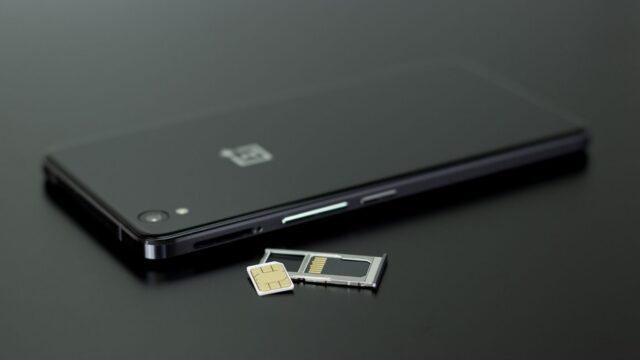
- Consider a local or travel eSIM for long stays, if your phone is unlocked and supports more than one eSIM.
What should you check before switching?
- Your phone must be unlocked and compatible with the new carrier’s network bands. Each carrier has a compatibility checker on its site.
- Your old account number and number transfer PIN are needed to keep your phone number.
- Wi-Fi calling, visual voicemail and eSIM support can vary by phone model.
- Customer support on these carriers is mostly online through chat or an app, with no stores.
Number transfers attract scammers who try SIM swaps. Use a strong, unique password for the carrier account and store it in a password manager such as Apple Passwords or Google’s, and turn on any extra PIN the carrier offers.
Quick answers
Is Visible the same as Verizon?
Visible is owned by Verizon and uses its network, but it is a separate service with its own plans, app-based support and lower priority on busy towers.
Will my phone number move with me?
Yes. US carriers must let you keep your number when you switch, as long as the old line is active when you start the transfer.
Do cheap carriers get more spam calls?
Carrier filters help a little, but most spam comes from your number sitting on marketing and data broker lists, and data removal services like Incogni and DeleteMe work on that side of the problem.
Can I try a carrier before switching my main line?
Often yes. If your phone supports two lines with eSIM, you can add a second carrier as a trial line and compare signal and speed in the places you use most.