iPhone vs Pixel vs Galaxy: Which Phone Should You Buy in Late 2026?
All three make excellent phones. The right pick depends on the gadgets you already own, how long you keep a phone and how much you want to spend.
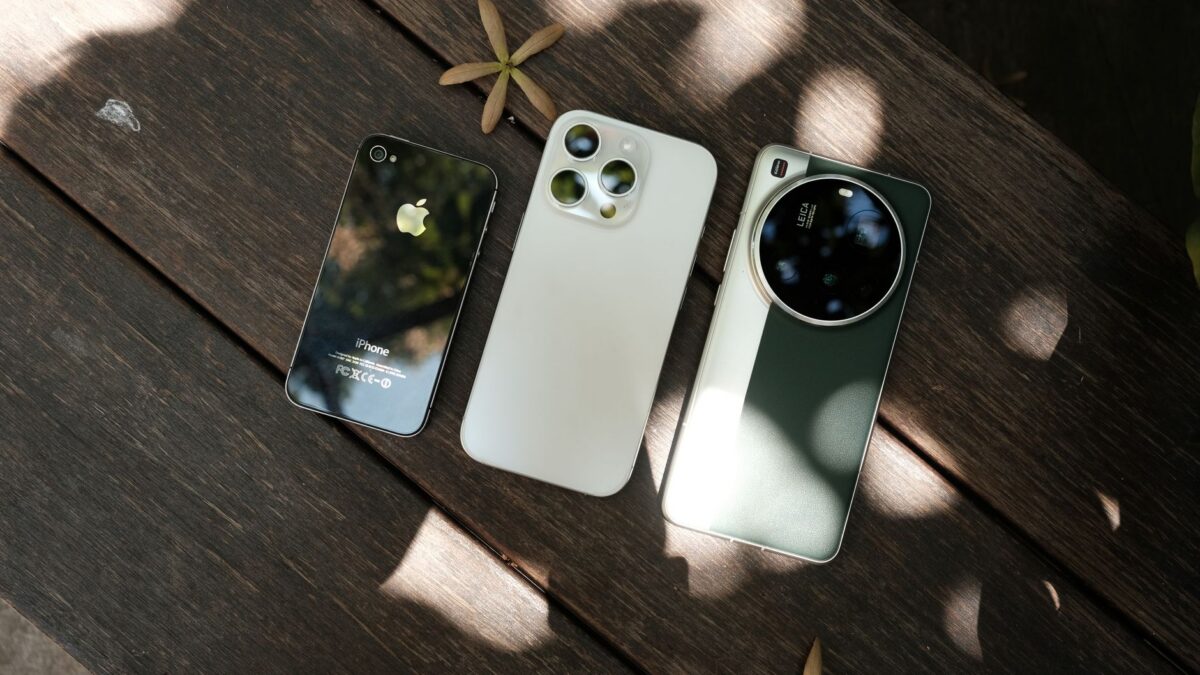
Buy an iPhone if you already use a Mac, iPad, Apple Watch or AirPods, or if your family lives in iMessage and FaceTime. Pick a Pixel if you want clean Android, Google’s AI tools first and seven years of updates. Choose a Galaxy if you want the widest range of sizes and prices, an S Pen, or a foldable. All three are mature and reliable, so the deciding factors are ecosystem, budget and how long you plan to keep the phone.
The quick comparison
Prices below are rough US starting prices from the makers’ own stores as of October 2026. Apple and Samsung both raised several prices this fall, and carriers and retailers often discount, so treat these as ballpark figures.
| Apple iPhone | Google Pixel | Samsung Galaxy | |
|---|---|---|---|
| Current lineup | iPhone 17e, iPhone 17, iPhone Air, iPhone 18 Pro / Pro Max, iPhone Duo (foldable) | Pixel 10a, Pixel 11, 11 Pro, 11 Pro XL, 11 Pro Fold | Galaxy A series, S26 FE, S26, S26+, S26 Ultra, Z Flip and Z Fold |
| Rough starting prices | About $700 (17e) to $1,300 (Pro Max); foldable about $2,000 | About $500 (10a) to $1,300 (Pro XL); foldable about $1,900 | Under $200 (A series) to about $1,400 (Ultra); foldables higher |
| Software updates | No fixed number; at least 5 years of security fixes, often 6–7 years of iOS versions in practice | 7 years of OS and security updates (Pixel 8 and later) | 7 years on flagships since Galaxy S24; fewer on many budget models |
| Assistant / AI | Siri and Apple Intelligence (iPhone 15 Pro and later) | Gemini, Circle to Search, on-device Gemini Nano | Galaxy AI plus Gemini and Circle to Search |
| Best ecosystem match | Mac, iPad, Apple Watch, AirPods | Google services, Pixel Watch, Pixel Buds | Galaxy Watch, Galaxy Buds, Windows PCs, Samsung TVs |
Ecosystem matters more than specs
The phone you buy decides which watch, earbuds and tablet work best with it. An Apple Watch only pairs with an iPhone. AirPods work with Android but lose automatic switching and some settings. A Galaxy Watch or Pixel Watch needs an Android phone. If you already own several devices from one company, staying put usually saves money and hassle.
Messaging is the other big factor in the US. iPhones now support RCS for texting Android phones, so group chats, read receipts and full-quality photos work much better across platforms than they used to. iMessage and FaceTime are still Apple-only apps, though, and some families and friend groups still expect them.
Switching is easier than it used to be. If you’re moving from Android to Apple, our guide to transferring data from Android to iPhone walks through contacts, photos and WhatsApp chats.
How long each phone will be supported
Update length is one of the biggest changes in recent years. Google promises seven years of Android, security and Pixel Drop updates for the Pixel 8 and newer, and Samsung promises seven years for its flagship S, Z and some tablet models starting with the Galaxy S24. Apple doesn’t publish an end date, but it has committed to a minimum of five years of security updates from a model’s first sale, and its track record is longer. iOS 27, released in September 2026, still runs on the iPhone 11 from 2019.
Budget models are where brands differ most. Many cheaper Android phones get fewer years, so check the exact model. Our explainer on how long phones get updates has a brand-by-brand table and shows how to check your own phone’s end date.
Cameras: what the specs tell you
All three brands make strong cameras, and differences in photo style are partly a matter of taste. On paper:
- Entry models (iPhone 17e, Pixel 10a, Galaxy A and FE models) have fewer lenses. The iPhone 17e has a single rear camera; the Pixel 10a and Galaxy FE add an ultrawide or telephoto depending on the model.
- Standard flagships (iPhone 17, Pixel 11, Galaxy S26) pair a main camera with an ultrawide. Recent base Pixels and Galaxy S models also add a telephoto lens, which the base iPhone does not.
- Pro and Ultra models (iPhone 18 Pro, Pixel 11 Pro, Galaxy S26 Ultra) add higher-zoom telephoto lenses, larger sensors and pro video options. The S26 Ultra pairs a 200MP main sensor with a 5x periscope telephoto.
If zoom is important to you, a phone with a dedicated telephoto lens will produce clearer distant shots than digital zoom on a phone without one. For video, iPhones remain a common choice for creators because of consistent quality across all lenses and wide app support, while Pixel and Galaxy phones lean more on software features like AI editing tools.
AI features compared
Every brand now bundles AI tools, but they differ in where they run and what they need:
- Apple Intelligence includes Writing Tools, notification summaries, photo Clean Up and Visual Intelligence. It requires an iPhone 15 Pro or newer, and you can switch it off entirely.
- Google Pixel phones ship with Gemini as the default assistant, plus features like Circle to Search, Call Screen and Magic Editor. Some features run on the phone; others use Google’s cloud.
- Galaxy AI adds Live Translate, Note Assist, Interpreter and photo editing tools on top of Google’s Gemini and Circle to Search. Our guide to Galaxy AI features explains which phones get them and how to keep processing on the device.
If privacy is a priority, look for on-device processing options and check each company’s settings before you start using the cloud features.
Who should buy which
Choose an iPhone if…
- You use other Apple devices or want an Apple Watch.
- You want strong resale and trade-in value.
- You prefer one company handling hardware, software and repairs.
Choose a Pixel if…
- You want the cleanest version of Android and new Google features first.
- You value seven years of updates on every current model, including the cheaper “a” model.
- You get a lot of spam calls and want Call Screen.
Choose a Galaxy if…
- You want choice: budget A-series phones, compact and large flagships, an S Pen on the Ultra, or Flip and Fold foldables.
- You use a Windows PC or Samsung TV and want tighter integration.
- You like to customize your home screen and settings deeply.
When to buy
New iPhones arrive in September, new Pixels in August, and Galaxy S phones early in the year, with foldables in summer. Buying soon after launch gives you the longest support window; buying the previous model after a new one arrives usually gets you a discount. See when new iPhones come out for Apple’s typical calendar.
Bottom line
There’s no wrong choice among current iPhones, Pixels and Galaxy flagships. Let your existing devices decide first, then your budget. If you’re starting fresh and want the longest guaranteed support for the money, a Pixel or Galaxy flagship’s seven-year promise stands out; if you want the smoothest experience with a watch, tablet and laptop, an iPhone is hard to beat.
FAQ
Which phone gets the most years of updates?
Google and Samsung promise seven years on current Pixels and Galaxy flagships. Apple promises at least five years of security updates but historically supports iPhones for six to seven years of iOS versions.
Can I use AirPods or an Apple Watch with Android?
AirPods connect to Android as regular Bluetooth earbuds, without some features. An Apple Watch cannot be set up with an Android phone.
Is the base model good enough?
For most people, yes. Pro and Ultra models mainly add better zoom, brighter or larger screens, more storage options and pro video features.
Should I buy a foldable?
Foldables cost far more and are more delicate than standard phones. They make sense if you want a tablet-sized screen in your pocket and accept the higher price and repair costs.