Leak: iPhone 20 Pro Gets New 17nm Main Camera Sensor and ISP
Leaker Ice Universe says the iPhone 20 Pro will get a new 17nm main camera sensor. What it could change for photos and video, and what is still unknown.
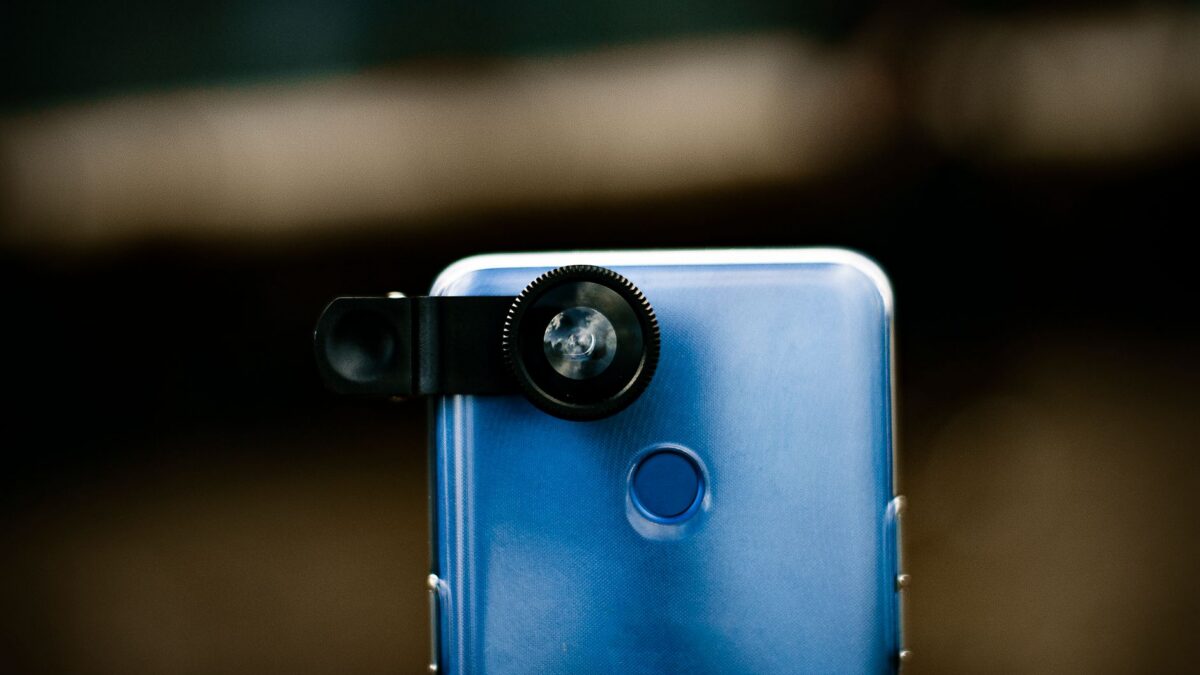
Apple’s iPhone 20 Pro will get a new main camera sensor, according to Ice Universe, a leaker who posts on the Chinese social network Weibo. The claim centers on a 17nm manufacturing process for part of the camera hardware, which would let the phone read and process image data faster than current models.
The leak says nothing about the size of the sensor. That matters, because a physically larger sensor is the change most likely to improve iPhone photos in a visible way, and no report so far says the main camera is getting one.
What the 17nm claim covers
Outlets describe the leak a little differently. 9to5Mac and Tom’s Guide report it as a main camera sensor whose logic layer, the circuitry that sits under the light-collecting pixels and handles data, is built on a 17-nanometer process. GSMArena reports that Apple will pair the new sensor with a new image signal processor (ISP), the chip that turns raw sensor data into a finished photo, and calls that ISP a 17nm part.
Ice Universe did not say what improvements the new hardware brings, GSMArena noted. A more advanced logic layer does not by itself mean a bigger sensor, Tom’s Guide pointed out.
What it means for photos and video
Tom’s Guide argues that a smaller-process logic layer gives the camera faster readout speeds, more room for complex image processing and lower power use. Each of those could show up in everyday shooting:
- Dynamic range: when you press the shutter, the phone captures a quick burst of frames and merges them. Faster readout could help it balance bright skies and dark shadows in high-contrast scenes.
- Action shots: quicker readout could cut rolling shutter distortion, the skew or wobble that appears when a subject moves fast, and help freeze sports or scooter shots.
- Video: recording for 10 minutes or longer makes current phones warm, according to Tom’s Guide. A more power-efficient sensor could let the phone record ProRes, Apple’s high-quality video format, for longer before heat forces a pause.
These are the outlet’s expectations based on how such sensors usually behave. Apple has confirmed none of them.
The larger sensor question
Sensor size is one of two main reasons people still carry dedicated cameras, 9to5Mac wrote; the other is lens quality. A bigger sensor collects more light, which helps low-light shots and overall detail.
Two earlier reports pointed to a larger sensor on future iPhones, according to 9to5Mac. One put the timing at 2027 or 2028, and a later one leaned toward 2028. Both said the bigger sensor would go into the telephoto camera, with a 200MP resolution, rather than the main camera. Packing that many pixels into a sensor tends to cost some low-light performance, though the telephoto lens is mostly used outdoors.
Where the iPhone 20 Pro fits
Under Apple’s current naming, next year’s Pro model would be the iPhone 19 Pro. Reports widely expect Apple to skip to iPhone 20 to mark the phone’s 20th anniversary, 9to5Mac said.
The iPhone 18 Pro lineup, released in September, added a main camera with a mechanical variable aperture, meaning the lens opening can physically change size. GSMArena reports the iPhone 20 Pro models could keep that feature. Other recent leaks cited by GSMArena say both models get larger quad-curved displays, better cooling and a frame similar to the iPhone Air’s.
Tom’s Guide found few visible differences between the iPhone 18 Pro Max and iPhone 17 Pro Max in its own photo comparison, which is one reason camera changes on the next model are getting attention.
Sources: Tom's Guide, GSMArena, 9to5Mac