Noise-Cancelling Earbuds Explained: ANC, Codecs, Multipoint and Hearing Health
Spec sheets for earbuds are full of jargon. Here's what active noise cancellation, codecs and multipoint actually do, and which features matter for the phone you own.
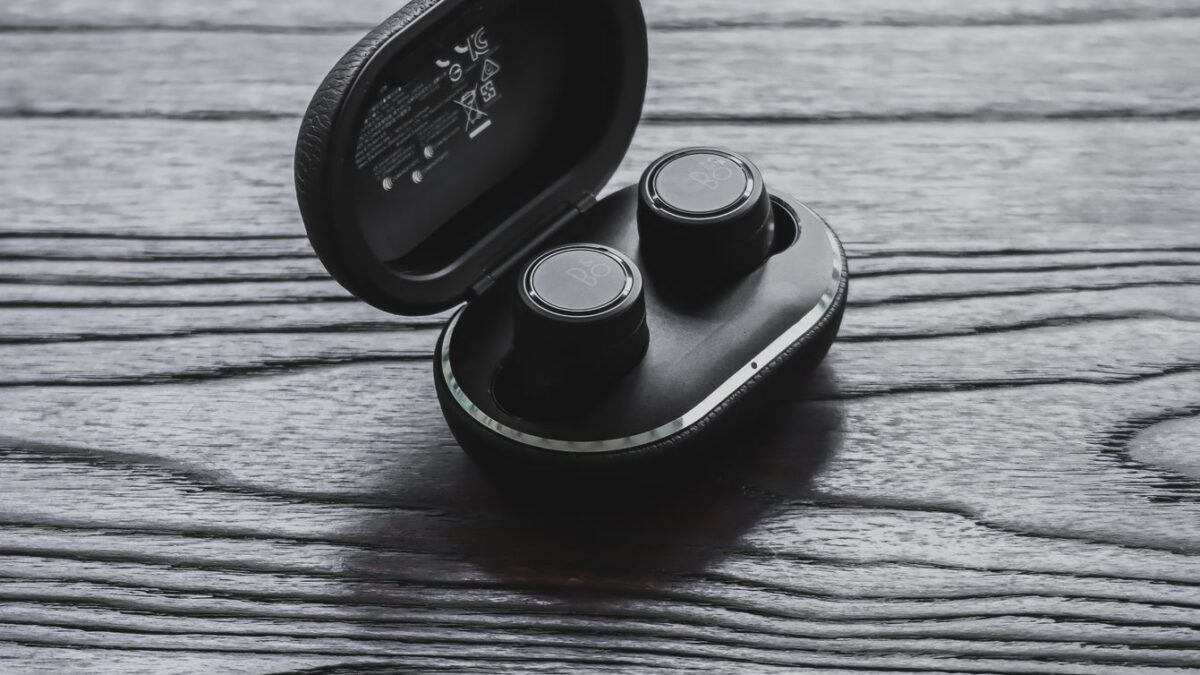
Active noise cancellation (ANC) uses tiny microphones to hear outside noise and plays an opposite sound wave to cancel it, which works best on steady, low sounds like engines and air conditioners. Transparency mode does the reverse, piping outside sound in so you can hear traffic or a conversation. When choosing earbuds, a good fit matters as much as the ANC itself, and the best codec depends on your phone: iPhones use AAC, while many Android phones also support LDAC, aptX or LC3.
How noise cancellation works
Earbuds block sound in two ways:
- Passive isolation: the ear tip physically seals your ear canal. This blocks higher-pitched sounds like voices and clatter.
- Active cancellation: outward-facing microphones pick up noise, a chip creates an inverted wave, and the speaker plays it to cancel the noise. An inner microphone checks what reaches your ear and adjusts.
ANC is very effective against constant low-frequency sounds such as plane cabins, buses and fans. It’s weaker against sudden or high-pitched sounds, such as a dog bark or a baby crying, which is why passive fit matters so much. Many recent models use adaptive ANC that adjusts strength to your surroundings and to how the earbuds sit in your ears.
Some people feel pressure or mild discomfort with strong ANC. Lowering the ANC level or using an adaptive mode often helps.
Listening modes
| Mode | What it does | When to use it |
|---|---|---|
| Noise cancellation | Reduces outside sound | Flights, commuting, open offices |
| Transparency / ambient | Lets outside sound in through the microphones | Walking near traffic, ordering coffee, announcements |
| Adaptive / auto | Blends both and adjusts automatically | Changing environments |
| Conversation detection | Lowers music and boosts voices when you start talking | Quick chats without removing earbuds |
| Off | No processing; slightly longer battery | Quiet rooms |
Safety note: when walking, running or cycling near traffic, use transparency mode or keep one ear free. Laws on headphone use while driving or cycling vary by state.
Fit and ear tips
A poor seal weakens both ANC and bass. To get a good fit:
- Try every tip size in the box; your left and right ears may need different sizes.
- Insert the earbud with a slight twist so the tip seals inside the canal.
- Use the fit test if your earbuds’ app has one. On iPhone with AirPods Pro, it’s under Settings > [your AirPods] > Ear Tip Fit Test.
- Replace tips when they harden or tear. Foam tips seal better for some people but wear out faster.
Bluetooth codecs: what they mean
A codec compresses audio for Bluetooth. Both your phone and your earbuds must support the same codec, or they fall back to a common one.
| Codec | Common on | Notes |
|---|---|---|
| SBC | Every Bluetooth device | Basic fallback; sounds fine for most listening |
| AAC | iPhone, iPad, Mac; most Android phones | The main codec on Apple devices; consistent quality |
| aptX family (aptX, HD, Adaptive, Lossless) | Many Android phones; the Adaptive and Lossless versions mainly on recent Snapdragon-based phones | Not on iPhone; higher bitrates and lower latency on supported phones |
| LDAC | Many Android phones, Sony earbuds and headphones | Highest bitrates, but needs a strong connection and uses more battery |
| LC3 (LE Audio) | Newer Android phones and earbuds | Efficient; enables Auracast broadcast audio sharing |
For most people, codec differences are subtle compared with fit and tuning. If you own an iPhone, focus on AAC; high-bitrate Android codecs won’t be used. If you stream from services such as Spotify, Apple Music or YouTube, the source quality and your environment usually matter more than the codec.
LE Audio and Auracast
LE Audio is the newer generation of Bluetooth audio. Its Auracast feature lets one phone broadcast to multiple pairs of earbuds, or lets you tune into public broadcasts in places like airports or gyms where available. Google added Auracast audio sharing to supported Pixel phones with Android 16. Both the phone and the earbuds must support LE Audio.
Multipoint
Multipoint lets earbuds stay connected to two devices at once, such as your phone and laptop, so a call on your phone interrupts music from your laptop automatically. Many Android-friendly earbuds support it. AirPods use a different approach, automatic switching between Apple devices signed in to the same Apple Account, rather than standard multipoint. If you use a Windows PC with an iPhone, check for standard multipoint support.
If your earbuds won’t pair or keep dropping, see our guide to fixing Bluetooth connection problems.
Hearing health features
Earbuds are increasingly designed to protect hearing:
- Volume limits and exposure tracking. On iPhone, go to Settings > Sounds & Haptics > Headphone Safety to reduce loud audio. The Health app tracks headphone audio levels. Android phones and earbud apps offer similar limits in their sound settings.
- Hearing Protection. Apple says AirPods Pro 2 and AirPods Pro 3 reduce exposure to loud environmental noise in their listening modes.
- Hearing test and hearing aid features. AirPods Pro 2 and 3 offer a clinical-grade hearing test and an over-the-counter hearing aid feature for perceived mild to moderate hearing loss, in countries where they’re authorized, including the US. Details are on Apple’s AirPods Pro hearing health page.
A simple rule from hearing health guidance: if someone next to you can hear your music, or you can’t hear someone speaking at arm’s length, it’s probably too loud. Using ANC can help you keep volume lower in noisy places.
Other features worth checking
- Battery life: compare with ANC on; the case usually adds several more charges.
- Water resistance: IPX4 handles sweat and light rain; higher ratings handle more.
- Finding lost earbuds: many work with Apple’s Find My or Google’s Find Hub. See how to find a lost phone for how these networks work.
- Replaceable batteries and repair: earbud batteries wear out after a few years and are rarely replaceable, so check the warranty and battery service options.
Bottom line
Pick noise-cancelling earbuds that fit your ears and your phone. Fit and seal decide how well ANC works, AAC is what matters on an iPhone, and LDAC, aptX or LC3 only help on Android phones that support them. Use transparency mode around traffic and set a volume limit to protect your hearing.
FAQ
Is noise cancellation bad for your ears?
No. ANC doesn’t damage hearing, and it can help by letting you listen at lower volumes in noisy places. Volume level and listening time are what matter.
Do iPhones support LDAC or aptX?
No. iPhones use AAC and SBC for Bluetooth audio, so earbuds’ high-bitrate Android codecs won’t be used with an iPhone.
Why does ANC not block voices well?
ANC is strongest against steady, low-pitched noise. Voices are higher and less predictable, so blocking them relies more on a good ear tip seal.
Can I use AirPods with Android?
Yes, as standard Bluetooth earbuds, but you lose features such as automatic switching and some settings, and hearing health features require an iPhone or iPad.