Smart Ring vs Smartwatch: Which Health Tracker Is Right for You?
A ring disappears on your finger and lasts nearly a week. A watch does far more but needs daily charging. Here's how to decide, including the subscription fine print.
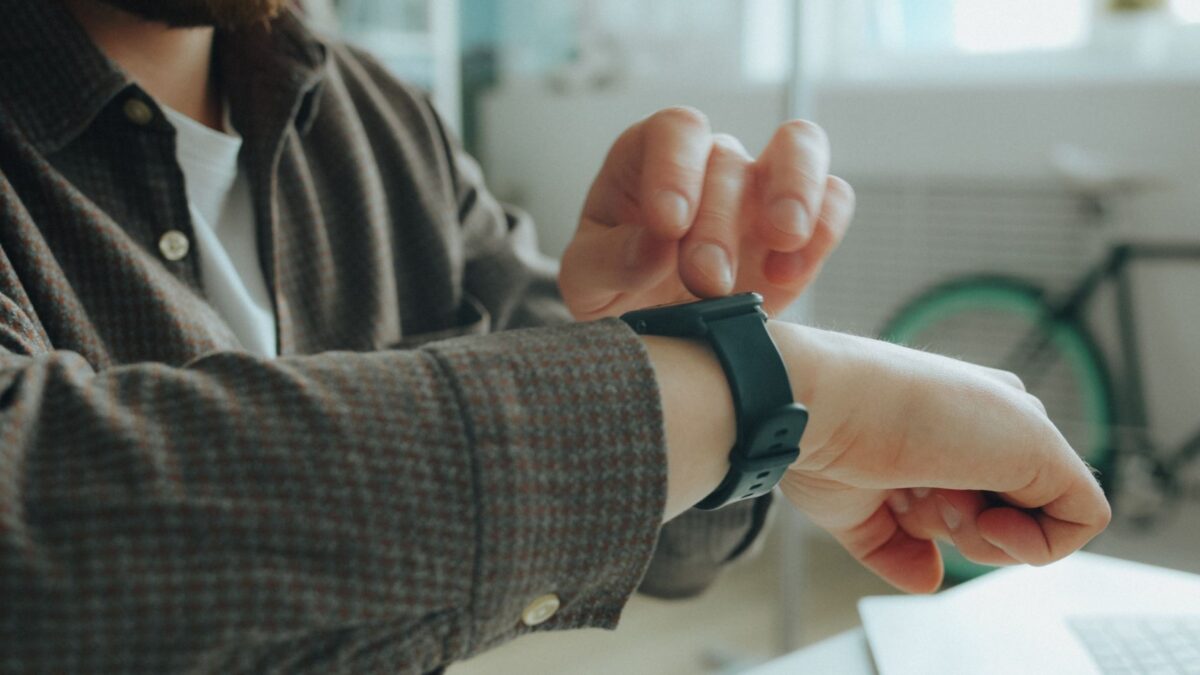
Choose a smart ring if you mainly want sleep, recovery and activity tracking with almost no effort: it’s small, comfortable at night and typically lasts about a week per charge. Choose a smartwatch if you also want notifications, GPS workouts, payments, calls and a screen you can glance at, and you don’t mind charging every day or two. Some people wear both, with the ring at night and the watch by day.
Smart ring vs smartwatch at a glance
| Smart ring | Smartwatch | |
|---|---|---|
| Screen | None; data lives in a phone app | Yes, always-on on most models |
| Battery life | Roughly 4–9 days, depending on model and size | About 1–2 days on most; longer on rugged or “Ultra” models |
| Sleep tracking comfort | Excellent; barely noticeable | Good, but bulkier in bed |
| Notifications, calls, apps | No (at most a vibration on a few models) | Yes |
| Built-in GPS | No; uses your phone’s GPS | Yes |
| Tap-to-pay | Rare | Yes (Apple Pay, Google Wallet, Samsung Wallet) |
| ECG / AFib features | Generally no | Yes on many models |
| Typical price | About $250–$500, plus a subscription for some brands | About $200–$800+ |
What smart rings do well
Rings measure heart rate, heart rate variability (HRV), blood oxygen, skin temperature trends and movement from the underside of your finger. Because they’re light and have no screen, most people forget they’re wearing one, which makes them very good for consistent sleep and recovery tracking. Their apps turn that data into daily scores for sleep, readiness or energy.
The trade-offs: no screen, no GPS for runs, limited workout detail and no way to answer a message. Rings can also scratch, and gym equipment can damage both the ring and your finger, so many people take them off for weight training.
Popular smart rings
- Oura Ring 5 (2026): starts around $399, with Oura rating battery life at about six to nine days. Oura’s full features require a membership of about $5.99 per month or $69.99 per year. The older Oura Ring 4 is still sold, often at a discount. Works with iPhone and Android.
- Samsung Galaxy Ring: about $399 with no subscription. It works with Android phones and is designed around Samsung Health and Galaxy phones; it doesn’t support iPhone.
- Others, such as Ultrahuman and RingConn, sell rings without a required subscription. US availability of some brands has been affected by patent disputes, so check the brand’s US store before ordering.
What smartwatches do well
A smartwatch is a small computer on your wrist. Beyond health tracking, it shows notifications, lets you reply to messages, take calls, pay at a register, control music, set timers and track runs or rides with built-in GPS. Many models include an ECG app and irregular rhythm alerts, and recent Apple Watch models add hypertension notifications in supported regions.
The downside is charging. Most smartwatches need a top-up every day or two, which can leave gaps in sleep tracking if you charge overnight.
Popular smartwatches
- Apple Watch Series 12 (about $399): Apple rates it at up to 24 hours, or longer in Low Power Mode. Apple Watch Ultra 4 (about $799) is rated at up to about two days. Requires an iPhone. Our guide shows how to keep an Apple Watch updated.
- Samsung Galaxy Watch 9 (from about $380): roughly a day and a half to two days, depending on size. Works with Android phones only.
- Google Pixel Watch and watches from Garmin and others: Garmin models in particular are known for multi-day or multi-week battery life and detailed sports tracking.
Subscriptions: the hidden cost
Read the subscription terms before you buy. Over three years, a $69.99-per-year membership adds about $210 to the ring’s price. Without Oura’s membership, the app shows only a limited set of basic data. Samsung’s Galaxy Ring and Apple Watch don’t require a subscription for their core health features, while some optional premium features or coaching services across brands cost extra. Policies change, so check the current terms on the maker’s site.
Sizing a smart ring
Smart ring sizes aren’t the same as jewelry sizes, and fit matters for accurate readings.
- Order the brand’s free or low-cost sizing kit before buying the ring.
- Wear the sample ring for a full day and night. Fingers swell in heat and after exercise and shrink in the cold.
- Choose the finger the brand recommends; Oura suggests the index finger, for example.
- The ring should be snug enough not to spin freely but easy to remove.
Watches are much more forgiving: most come in two or three case sizes with adjustable bands.
Accuracy and health claims
Both rings and watches are good at spotting trends, such as how your resting heart rate or sleep changes over weeks. They are consumer devices, not medical equipment, unless a specific feature is cleared by the FDA (such as some ECG and hearing features). Don’t use a ring or watch reading to diagnose a condition or change medication; talk to a doctor if something looks unusual.
Which should you choose?
- Mostly care about sleep and recovery: smart ring.
- Want notifications, payments, GPS workouts: smartwatch.
- Dislike wearing a watch to bed: ring, or both.
- Hate subscriptions: Galaxy Ring (Android), a subscription-free ring brand, or a smartwatch.
- Use an iPhone: Apple Watch or a cross-platform ring like Oura. Galaxy Ring and Galaxy Watch need Android. If you’re still picking a phone, our iPhone vs Pixel vs Galaxy comparison covers how wearables fit each ecosystem.
Bottom line
A smart ring is the low-effort choice for sleep and recovery tracking with long battery life. A smartwatch does much more, from notifications to GPS and ECG, at the cost of daily charging. Check phone compatibility and subscription costs first, and use a sizing kit before buying any ring.
FAQ
Can a smart ring replace a smartwatch?
Only if you don’t need notifications, GPS, payments or a screen. For pure health and sleep tracking, a ring can be enough.
Does the Galaxy Ring work with an iPhone?
No. It requires an Android phone, and some features work best with Samsung Galaxy phones.
Can I wear a smart ring in the shower or pool?
Most are water resistant for swimming and showering, but check each model’s rating, and avoid hot tubs and saunas if the maker advises against them.
Which finger should I wear a smart ring on?
Follow the brand’s advice. Index, middle or ring fingers are common, and the same finger should be used consistently.