Apple Can’t Keep Up With iPhone Duo Demand, CEO Ternus Says
Apple says iPhone Duo demand outstrips supply, with AI usage limits and rising memory costs next. Here is what John Ternus said and what it means for buyers.

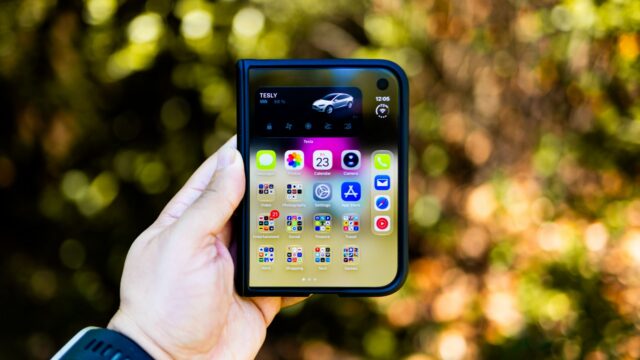
Apple cannot make enough iPhone Duo units to satisfy buyers, and it has no date for when supply will catch up. CEO John Ternus said so after the company’s fourth-quarter earnings report, which was also his first earnings call since he became chief executive. He also confirmed that Apple plans to cap how much people can use its cloud-based AI features, and warned that memory costs will keep climbing.
iPhone Duo: Strong Demand, Some Returns
Ternus told Reuters that Apple is unable to meet demand for the iPhone Duo. He gave no timeline for when supply and demand might balance out. He also acknowledged display problems on the phone and said a “very small percentage” of units have been returned.
The news comes as the overall iPhone business did well. iPhone revenue reached $57.6 billion, up 17 percent from a year earlier and a record for a September quarter. Apple’s Greater China revenue rose 21 percent, a quarterly record, driven mainly by the iPhone and the Mac.
Asked why Apple did not launch a standard iPhone 18 alongside the iPhone 18 Pro, Pro Max and iPhone Duo, Ternus sidestepped the question, so there is no explanation yet.
Usage Limits Are Coming to Siri AI
Ternus repeated that Apple will place usage limits on AI features that run on its servers, such as Siri AI and photo editing. People who need more capacity will be able to buy expanded access through iCloud+. Apple has not said what the limits are, what each iCloud+ plan will include or what the extra access will cost.
CFO Kevan Parekh explained part of the reasoning. Work done on your device costs Apple almost nothing, he said, while work done on Apple’s servers carries inference costs, meaning the computing power needed to run an AI model. He added that it is “very early days” in understanding how much of Siri AI’s workload will land on each side. Apple also expects costs tied to ramping up Siri AI to weigh on its profit margin.
Ternus said Apple wants users to understand what AI agents, which are tools that act on your behalf, can access. He argued that Apple’s privacy approach sets it apart because so much personal data lives on the iPhone and, in his words, even Apple does not have access to what Siri taps into.
Memory Costs Keep Rising
Ternus called the memory situation “unprecedented” and said Apple expects higher memory costs in the December quarter. Apple raised prices in June and September, which offset part of the pressure, along with lower costs on some other components and inventory it carried in. Beyond December, the company expects memory prices to continue rising.
Apple said Mac and iPad supply will stay constrained in the December quarter, mainly because of memory, since demand has been higher than expected. In the September quarter, iPhone, iPad and Mac were also constrained, partly because of limited capacity on the advanced chip manufacturing processes Apple relies on. COO Sabih Khan said those limits are easing as more products move to 2nm chips.
What It Means for Buyers
If you want an iPhone Duo, expect it to be hard to find, and be prepared to wait. If you are shopping for a Mac or iPad this holiday season, availability may be tight too. Apple has not announced new price increases, but with memory costs rising and the company having already raised prices twice this year, buyers should not count on discounts.
The AI limits matter for everyday users as well. Siri AI and photo editing may eventually require an iCloud+ plan with more capacity if you use them heavily. Until Apple publishes the details, you cannot yet judge whether a free allowance will cover your habits.
Other Numbers From the Quarter
- Mac: revenue was $10.8 billion, up from $8.7 billion, and Apple said it has never sold more Macs in a fiscal year.
- iPad: revenue fell to $6.2 billion from $7 billion, which Apple blamed on supply limits and a tough comparison with last year’s A16 iPad launch.
- Services: a record $31.6 billion, up from $28.8 billion.
- Wearables, Home and Accessories: $8.3 billion, down 8 percent. The new Apple TV 4K, HomePod mini and Apple HomeView did not ship in the quarter.
- Devices: more than 2.5 billion are active.
What Happens Next
For the December quarter, Apple expects revenue to grow 7 to 10 percent, which would make it the best quarter for revenue in the company’s history. Services revenue is expected to grow 8 to 9 percent, and gross margin is forecast between 45 and 46 percent. Still unknown: when iPhone Duo supply will improve, how the Siri AI limits will work, and what extra capacity will cost.