Samsung’s Upgraded Sleep Apnea Feature Sorts Severity Into Three Tiers
Samsung is adding an AI-based sleep apnea tool to the Galaxy Watch Ultra 2, Watch 9 and Galaxy Ring in November, starting in Korea, with older watches to follow.
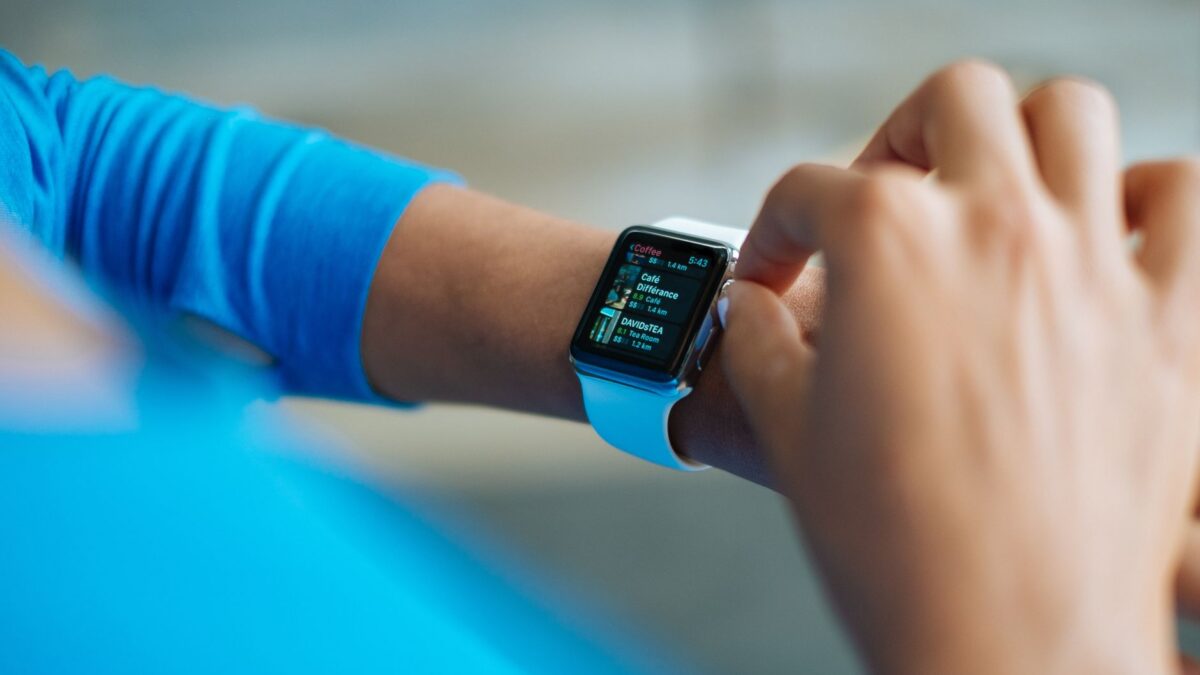
Samsung has announced a more advanced version of its sleep apnea detection for Galaxy wearables. It is set to arrive in November on the Galaxy Watch Ultra 2, the Galaxy Watch 9 and the Galaxy Ring, with South Korea first in line. Unlike the current tool, which flags general signs of the condition, the new one grades how often breathing is disrupted.
What the new version does
Samsung first brought sleep apnea detection to Galaxy devices in 2024, after getting approval from the US Food and Drug Administration. That version acts as a basic warning, nudging people who may have frequent breathing interruptions during sleep to seek medical advice.
The upgrade adds an AI algorithm that analyzes breathing disturbances per hour. According to Android Police, it uses overnight metrics to place results into three categories: mild, occasional and frequent. Samsung says the result is closer to the kind of detail a dedicated sleep study provides, though the company stresses that it does not replace a professional diagnosis.
How you get a reading
The requirements match the existing feature. A wearer needs to record at least five hours of sleep on two separate occasions within 10 days. The reading then appears on the watch and in the Samsung Health app.
For comparison, Android Police notes that the Apple Watch offers sleep apnea tracking with a simpler elevated or non-elevated result, and that it needs a longer 30-day window of nighttime data.
Which devices get it, and when
- November: Galaxy Watch Ultra 2, Galaxy Watch 9 and Galaxy Ring, starting in South Korea after approval from the country’s Ministry of Food and Drug Safety.
- Later: the Galaxy Watch 7 and Watch 8 will get it, provided they run Wear OS 7.0 or later. Android Police also lists the original Galaxy Watch Ultra.
- No upgrade: the Galaxy Watch 4, Watch 5 and Watch 6 will keep the current tool but will not get the more advanced version.
Samsung has said it has no plans to remove the existing detection feature from the Galaxy Watch 4 and later.
Why it matters for readers
If you own one of the newer devices, the change could give you a clearer picture of how serious your breathing interruptions might be, which may help when you talk to a doctor. It is still a screening aid, not a diagnosis, and anyone worried about their sleep should see a medical professional.
Android Police questions Samsung’s reasoning for the cutoff. The site points out that a small device like the Galaxy Ring will get the feature while a large share of Galaxy Watches will not, and suggests Samsung is keeping it exclusive to newer hardware. Samsung attributes the limit to the use of artificial intelligence.
What is still unclear
The FDA approved the same feature in July 2026, so a US launch should follow, but there is no confirmed date. Android Police speculates it could land in December or as late as early 2027. Timing for other markets is also unknown, and the site guesses at the first quarter of 2027 based on how earlier Galaxy wearable features rolled out.
It is also unclear whether the Galaxy Watch FE will be included, since it uses an older chipset. The feature may ship with the One UI 9 Watch update, which is still in beta, though older models could receive it through a separate firmware build.
Sources: 9to5Google, Android Police