Harvard Study: 403 U.S. Data Centers Emit as Much CO2 as Denmark
Harvard researchers say 403 big U.S. data centers used about 1.8% of the nation's power in a year, mostly from fossil fuels. What it means for AI users.
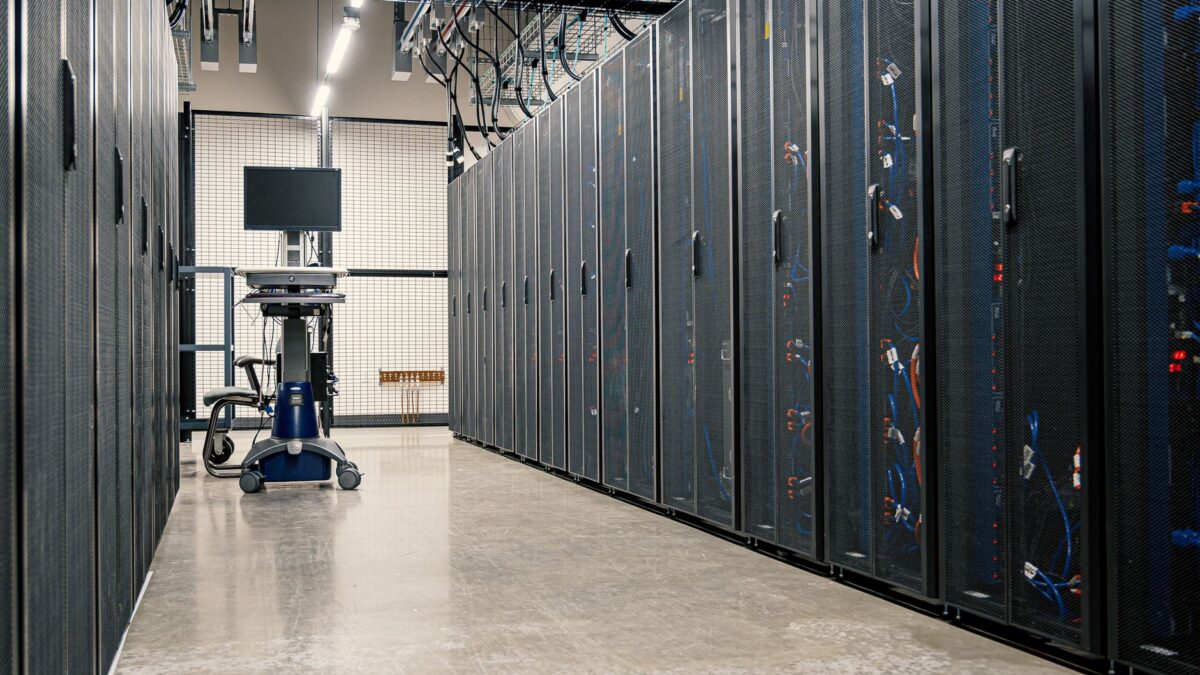
The 403 largest data centers in the U.S. used about 1.8% of all the country’s electricity between May 2024 and April 2025, according to a Harvard-led study published in Nature Sustainability. The researchers estimate the same buildings produced 25.7 million metric tons of carbon dioxide over that year.
Tom’s Guide describes that output as roughly equal to Denmark’s yearly emissions, and CNET reports it as more than Denmark’s. These facilities run cloud services and the AI tools many people now use every day, from ChatGPT to Gemini to Claude.
How researchers counted power use without company data
Tech companies rarely publish how much power individual sites use, so the team built its own estimates. According to CNET, they started with 675 candidate sites and used satellite imagery to confirm 403 working facilities. They then estimated each site’s yearly electricity use and matched it with Environmental Protection Agency data to work out emissions. Tom’s Guide says federal data on electricity generation was also part of the method.
Lead author Gianluca Guidi, a postdoctoral fellow in the Department of Biostatistics, told CNET that collecting and checking the data was “100% the toughest part of the whole project.”
The figures vary a little by outlet. CNET reports a range of 68 to 99 terawatt-hours for the period. Tom’s Guide, citing an Associated Press report, gives an estimate of 82 terawatt-hours, which it says could power nearly 7 million American homes for a year.
Where the electricity came from
About 54% of the power used by these facilities came from fossil fuels, the study found: 38% from natural gas and 15% from coal. Many of the same tech companies have signed pledges to invest in renewable energy. Guidi told CNET that corporate commitments on paper should be kept apart from the emissions the buildings actually produce.
Location matters too. Virginia, Oregon, Ohio and Iowa together accounted for more than half of the electricity used by the facilities in the study. Some data centers sit in areas where the local grid is much more carbon-heavy than the national average.
The new estimate is two to three times higher than an earlier assessment of hyperscale data-center emissions from 2018. Hyperscale facilities are the biggest class of data center, with thousands of servers handling cloud computing and AI model training.
What it means for people using AI apps
The study cannot tell you how much power one chatbot conversation takes, or whether one AI assistant uses more energy than another. The researchers could not separate AI workloads from ordinary cloud computing, so the totals cover everything these buildings do, from photo backups to model training.
Even so, the numbers give a rare outside view of the hardware behind the AI features phone and laptop makers keep adding. Image generation, video creation and AI agents all need more computing capacity, and the energy cost of a single request stays invisible to the person typing it.
The data also stops in April 2025. Data centers built or expanded since then are not included, and the Harvard team told CNET the industry’s footprint today is substantially larger.
Health effects and the next round of research
Fossil-fuel power plants release fine particulate matter, nitrogen oxides and sulfur dioxide, and the researchers noted that exposure to these pollutants is linked to breathing and heart problems. That means people living near a power plant can be affected by a data center many miles away. The study did not measure those health effects directly.
According to CNET, the team is now expanding its dataset to study wider public health effects of hyperscale data centers, including water use and noise.
Sources: Tom's Guide, CNET